
July 10, 2026 | Car Accident
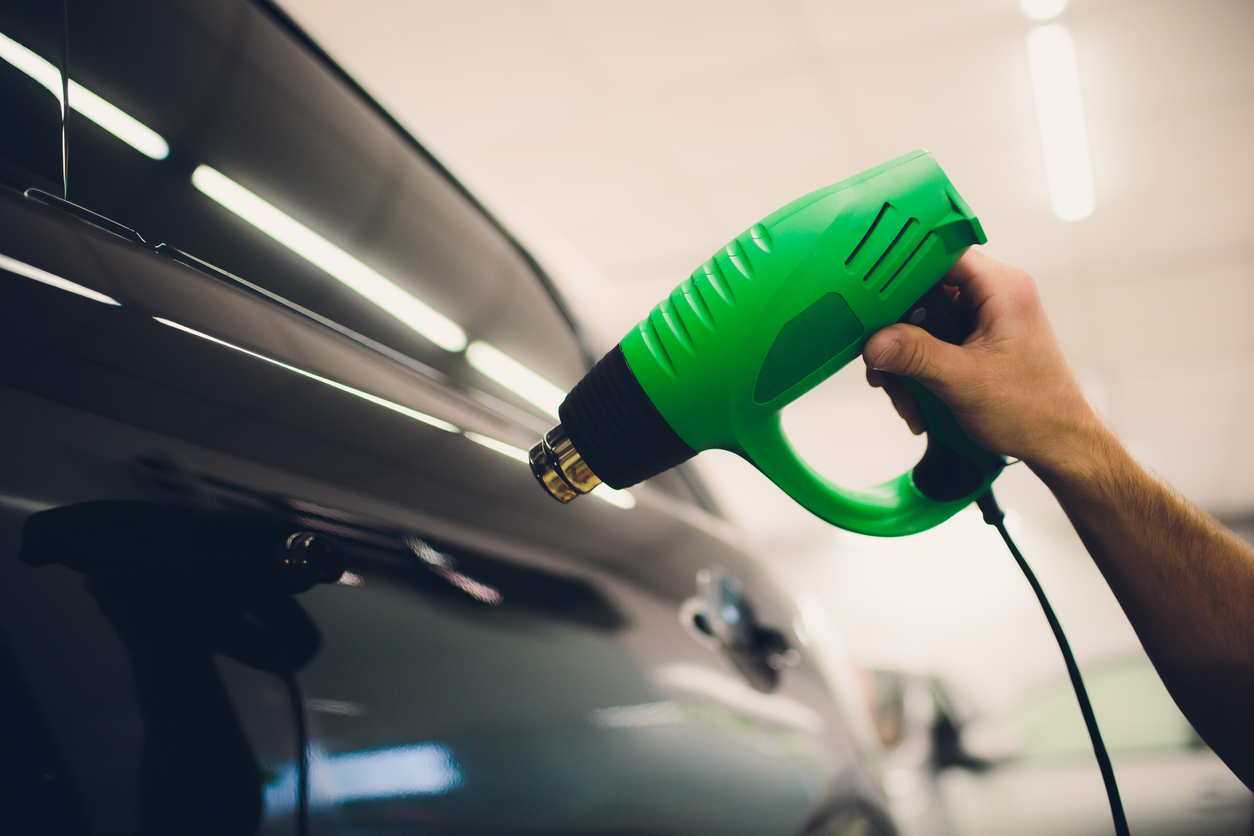
Window tint is a popular vehicle modification throughout Pennsylvania. Some drivers choose tinted windows to reduce glare, improve privacy, and protect their vehicle from sun damage. It can also make driving more comfortable during warmer months. However, Pennsylvania law places important restrictions on how dark certain vehicle windows may be.
Many drivers are surprised to learn that window tint is not simply a matter of personal preference. If tint is too dark or does not comply with state regulations, motorists may face citations, inspections, and other consequences. In some situations, unlawful window tint can even become a factor in a personal injury case.
Why Do Window Tint Laws Exist?
Window tint laws are designed to balance the interests of vehicle owners with public safety concerns. Window tinting can offer legitimate benefits, but excessively dark tint can create problems for both drivers and law enforcement.
For example, a very dark tint may:
- Reduce visibility during nighttime driving
- Limit a driver’s ability to see pedestrians and cyclists
- Make it more difficult to identify hazards
- Prevent law enforcement officers from seeing inside a vehicle during traffic stops
Pennsylvania lawmakers have adopted window tint regulations to promote roadway safety while still allowing reasonable levels of tint on certain vehicles.
What Is Window Tint?
Window tint generally refers to a thin film applied to vehicle windows. Depending on the product, tint may:
- Reduce sunlight entering the vehicle
- Decrease interior heat
- Block ultraviolet (UV) rays
- Improve privacy
- Reduce glare
Not all tint is the same. Some films are relatively light, while others are extremely dark. The legality of a particular tint often depends on how much visible light is allowed to pass through the window.
Understanding Visible Light Transmission (VLT)
Pennsylvania window tint laws often reference a concept known as Visible Light Transmission, or VLT. This measures the percentage of visible light that passes through a window. For instance:
- A window with 70% VLT allows 70% of visible light to pass through
- Lower percentages generally indicate a darker tint
The darker the tint, the less light enters the vehicle.
What Are Pennsylvania’s Window Tint Rules?
Pennsylvania generally prohibits aftermarket window tint that prevents people from seeing inside a vehicle through the windshield, front side windows, or side windows. For most passenger vehicles, these windows must allow at least 70% of visible light to pass through. A transparent strip is permitted along the top of the windshield, provided it complies with state and federal requirements.
The rules for rear side windows and rear windows vary depending on the type of vehicle. Some trucks, SUVs, vans, and other qualifying vehicles may have a darker tint on rear windows, while certain medical exemptions are also available under Pennsylvania law.
Can Illegal Window Tint Affect a Car Accident Claim?
Illegal window tint can become an issue in a car accident claim if it contributed to the crash. For example, if a driver’s illegally tinted windows reduced visibility and played a role in causing the collision, that fact could be considered when determining fault.
Likewise, if the at-fault driver had illegal window tint that impaired their ability to see the road, pedestrians, cyclists, or other vehicles, it may help support your claim that they acted negligently.
Whether illegal window tint affects a case depends on the specific facts of the accident.
Contact Fellerman & Ciarimboli, Law PC To Schedule a Free Consultation With a Scranton Car Accident Attorney
Window tint may provide privacy, comfort, and protection from sunlight, but it must be legal in Pennsylvania. Understanding the state’s tint regulations will help you avoid citations, inspection problems, or other unnecessary complications.
For more information, contact Fellerman & Ciarimboli, Law PC to schedule a free consultation with our experienced personal injury attorneys. We proudly serve clients in Scranton, Kingston, Berwick, PA, and Columbia, Lackawanna, Luzerne Counties. We’re here to fight for your rights with trusted, experienced legal support. Let us help you get the justice and compensation you deserve.
Fellerman & Ciarimboli, Law PC Scranton
148 Adams Ave, Scranton, PA 18503
(570) 714-4878

Fellerman & Ciarimboli, Law PC Kingston
183 Market St #200, Kingston, PA 18704
(570) 714-4878
Fellerman & Ciarimboli, Law PC Berwick
120 W Front St, Berwick, PA 18603
(570) 714-4878